1. Pain Relief Tablets for Sudden Tooth Sensitivity
Sometimes tooth sensitivity appears suddenly after eating very cold food, after dental treatment, or because of enamel wear. In these situations, pain relief tablets can help manage discomfort for a short time.
Ibuprofen ( Brufen )
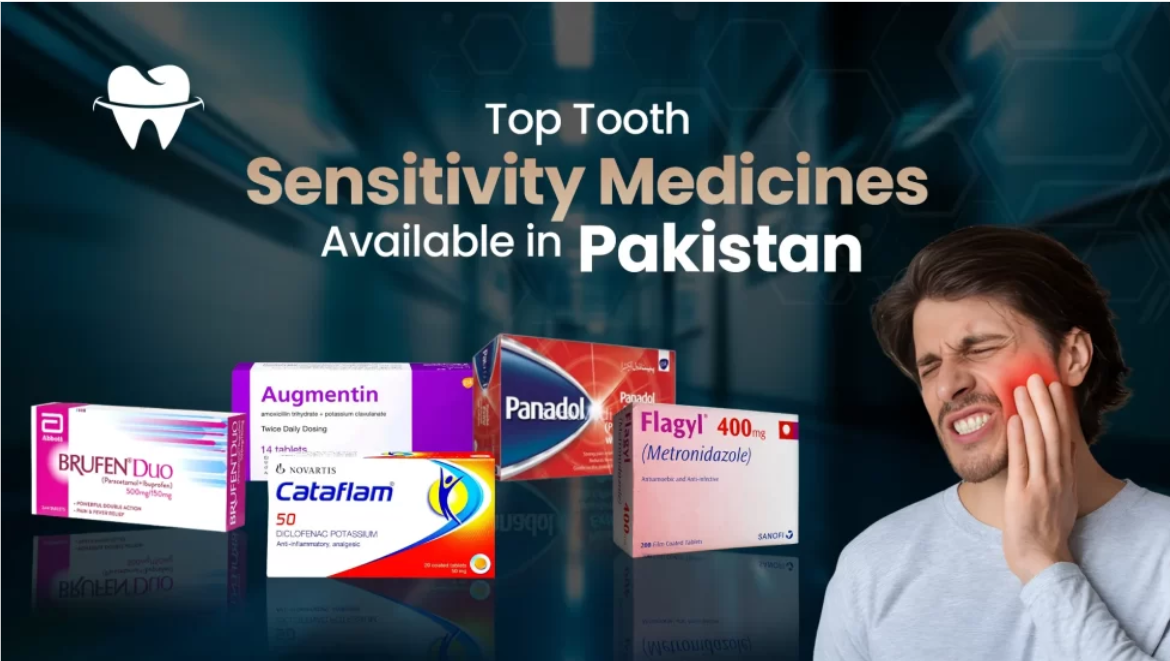
Ibuprofen is one of the most commonly recommended medicines for sensitive teeth pain. In Pakistan, it is widely available under the brand name Brufen.
Mode of Action: This medicine reduces inflammation around the tooth nerve and provides quick relief from sharp sensitivity pain. It usually starts working within thirty minutes and can last for several hours, making it useful for temporary relief.
Dentists often suggest it when sensitivity is caused by gum swelling or minor dental irritation.
Paracetamol (Panadol)
Paracetamol is another widely used option for mild tooth sensitivity pain. It is commonly sold in Pakistan under the brand names Panadol and other generic brands. Unlike some stronger medicines, it is gentle on the stomach and can be used by many people safely when taken in recommended doses. It helps control pain signals from the tooth nerve and reduces discomfort caused by temperature sensitivity.
Dentists often recommend it for mild cases or for patients who cannot take anti-inflammatory medicine for a tooth infection.
2. Anti-Inflammatory Medicines for Gum-Related Sensitivity
Many cases of tooth sensitivity are actually caused by inflamed gums or irritation around the roots of the teeth. When this happens, anti-inflammatory medicines may be recommended.
Diclofenac (Cataflam)
Diclofenac is a stronger anti-inflammatory medicine commonly used for dental pain. It is available in Pakistan under the brand name Cataflam.
Mode of Action: This medicine works by reducing swelling and calming the tissues around the tooth. When gums are inflamed, pressure around the tooth’s nerve increases, causing sensitivity.
By lowering inflammation, diclofenac helps reduce this pressure and provides noticeable pain relief.
Naproxen (Synflex)
Naproxen is another anti-inflammatory tablet used for moderate dental pain. It is commonly available in Pakistan under the name Synflex.
One advantage of naproxen is its longer duration of action. A single dose can control pain for many hours compared with some other medicines.
Dentists sometimes recommend it when sensitivity pain lasts longer or keeps returning throughout the day.
3. Medicines for Sensitivity Caused by Dental Infection
In some cases, tooth sensitivity is actually a warning sign of infection inside the tooth or gums. When bacteria reach deeper tissues, medicines for tooth infection may be needed to control the infection.
Amoxicillin with Clavulanic Acid (Augmentin)
This antibiotic is commonly prescribed when dentists suspect bacterial infection in the tooth or surrounding gums.
Mode of Action: Amoxicillin works by killing harmful bacteria, while clavulanic acid helps make the antibiotic more effective against resistant bacteria.
It is usually recommended when sensitivity is combined with swelling, severe pain, or signs of infection in the mouth.
Metronidazole (Flagyl)
Metronidazole is another antibiotic frequently used in dental treatment, especially for gum infections.
Mode of Action: It targets bacteria that grow in low-oxygen environments, which are common in deep gum pockets. When gum infections cause sensitivity, this medicine can help eliminate the bacteria responsible.
Dentists sometimes prescribe it along with another antibiotic for better results.
4. Tablets for Sensitivity After Dental Procedures
Some people experience temporary tooth sensitivity after dental procedures such as teeth whitening, fillings, or dental scaling. This type of sensitivity usually happens because the tooth nerve becomes temporarily irritated. Mefenamic Acid (Ponstan)
Mefenamic acid is a pain relief medicine that dentists sometimes recommend after dental treatments. In Pakistan, it is widely available under the brand name Ponstan.
Mode of Action: It helps reduce inflammation and blocks pain signals from irritated nerves.
Many dentists prescribe it for short-term relief after procedures that can temporarily increase tooth sensitivity.
Vitamins That May Help Reduce Sensitivity
Although vitamins are not painkillers, certain deficiencies can weaken teeth and increase sensitivity.
For example, low vitamin D levels may reduce the body’s ability to absorb calcium, which is essential for strong enamel and healthy teeth and gums.
Dentists sometimes recommend vitamin D and calcium supplements for people who frequently experience enamel weakening or dental sensitivity.
These supplements support overall tooth strength and may reduce the chances of sensitivity returning in the future when combined with proper dental care.
Important Tips for Taking Tooth Sensitivity Medicines
While medicines can help control sensitive tooth pain, they should not replace proper dental treatment.
- Taking painkillers repeatedly without addressing the real problem can hide serious dental issues such as cavities, cracked teeth, or gum disease.
- Always follow the dosage instructions given by a dentist or pharmacist. Overusing pain medicines can cause stomach problems or other side effects.
- If sensitivity lasts for more than a few days, the best step is to visit a dentist. A professional examination helps identify the exact cause and ensures the correct treatment is given.
When Medicines for Sensitive Teeth Are Recommended
In many mild cases, desensitizing toothpaste and improved oral hygiene can reduce sensitivity over time. However, when pain becomes more intense or is associated with gum disease or inflammation, enamel erosion, or infection, dentists may recommend medication for sensitive teeth pain to control the symptoms.
These medicines may include:
- toothache tablets
- anti-inflammatory drugs
- treatments that help calm irritated tooth nerves
In some situations, a tablet for tooth pain in Pakistan may be prescribed temporarily while the best dentist in lahore identifies and treats the underlying dental issue.
Understanding the root cause of sensitivity is important because the right medicine for sensitive teeth depends on the specific dental condition affecting the patient.
Summing Up
Tooth sensitivity can quickly make eating and drinking uncomfortable every day. Fortunately, several medicines available in Pakistan can help manage the pain while the real dental problem is being treated.
Pain relievers, anti-inflammatory medicines, and antibiotics help relieve pain and treat infections when bacteria bacteria are involved. However, these medicines should only be used under professional guidance. The most effective way to stop tooth sensitivity is still proper dental treatment and good oral care habits. .png)
 1 images





4.png)